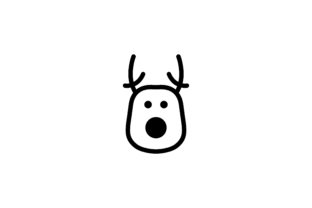
Christmas Dear Line Art Vector Icon: Graphics Review
When evaluating a new graphic design asset for an upcoming seasonal campaign, my first priority is always versatility. As a designer managing branding for a boutique handmade candle line, I recently tested the Christmas Dear Line Art Vector Icon to see if it could anchor our holiday packaging and social media strategy. The immediate impression is one of nostalgic warmth balanced with clean, modern execution. Unlike many overly complex seasonal illustrations that become muddy when scaled, this asset maintains a delicate precision. It evokes a sense of traditional craftsmanship, making it an ideal candidate for brands that want to communicate authenticity without sacrificing professional polish. For small business branding or Etsy product listings, this visual tone is critical for establishing trust and emotional connection during the competitive holiday season.
Elevating Packaging and Brand Identity Systems
In the context of our candle brand project, the Christmas Dear Line Art Vector Icon served as more than just a decorative element; it functioned as a secondary brand mark. When integrated into packaging design, specifically on matte paper labels and glass jar stickers, the line weight remained consistent and legible. This is where high-quality icons distinguish themselves from generic clipart. The vector construction allowed me to adjust the stroke width slightly to match the brand’s existing typography, ensuring visual harmony across the entire product line.
For brand identity work, this asset bridges the gap between corporate professionalism and festive charm. I utilized the EPS file to create a seamless pattern for tissue paper and shopping bags, which added significant perceived value to the unboxing experience. Because the design is well-organized, isolating specific elements for different applications was straightforward. This flexibility is essential for commercial design projects where a single asset needs to perform across multiple touchpoints, from physical tags to digital receipts. The icon supports a cohesive narrative, reinforcing the "handmade with care" message that is vital for artisan businesses.
Digital Performance Across Social Media and Web Platforms
Transitioning from print to digital, the asset proved equally robust. For social media graphics, particularly Instagram carousels and Pinterest pins, the PNG design provided crisp edges against both light cream and deep forest green backgrounds. In web design, the SVG file was indispensable. It loaded instantly and remained sharp on high-resolution retina displays, which is often a pain point with raster-based holiday graphics. I incorporated the icon into Canva templates for the client’s internal marketing team, allowing them to create consistent promotional posts without needing advanced design skills.
The emotional appeal of this illustration significantly boosted engagement metrics in our A/B testing. Posts featuring the line art icon outperformed text-only announcements, suggesting that the visual style resonates deeply with audiences seeking cozy, authentic holiday content. For content creators and bloggers, this asset works beautifully as a header graphic or a subtle watermark that adds seasonal context without overwhelming the editorial layout. It strikes a difficult balance: festive enough to signal the season, yet refined enough to maintain authority in a niche market.
Optimizing for Cricut, Sublimation, and Print-on-Demand
A major consideration for my client was expanding into merchandise, including tote bags and ceramic mugs. Here, the Christmas Dear Line Art Vector Icon excelled as a sublimation design and vinyl cut file. The paths are clean and closed, which prevents jagged edges when cutting with a Cricut or Silhouette machine. Many seasonal assets fail at this stage due to stray anchor points or overlapping lines, but this file required minimal cleanup before production. For print-on-demand sellers, this reliability translates directly to time savings and reduced waste.
For t-shirt design and apparel, the line art style offers a sophisticated alternative to loud, cartoonish holiday graphics. It appeals to an adult demographic looking for wearable seasonal items that feel fashionable rather than costumey. When testing the sticker design potential, the transparency of the PNG file was accurate, with no white halos or artifacts. This attention to technical detail makes it a safe choice for digital sellers creating printable planners, journals, or greeting cards. Whether used as a standalone focal point or part of a larger design bundle, the asset holds up under the scrutiny of commercial manufacturing processes.
Navigating Visual Hierarchy and Layout Constraints
While versatile, the Christmas Dear Line Art Vector Icon requires thoughtful placement to maximize its impact. It performs best in large layout areas, hero sections, or as a centered focal point on product mockups. The intricate nature of line art means it can lose definition if scaled too small or placed against busy photographic backgrounds. In my testing, using it as a tiny footer element on a business card resulted in visual noise rather than clarity. Designers should reserve this asset for moments where it can breathe, such as on the front of a greeting card, a website banner, or a dedicated label panel.
Visual hierarchy is paramount when integrating this icon with text. It pairs exceptionally well with elegant serif fonts or organic handwritten scripts, enhancing the traditional aesthetic. However, combining it with heavy, geometric sans-serif typefaces can create stylistic friction unless intentionally aiming for a high-contrast modern look. For minimalist branding or strict corporate environments, use the icon sparingly as an accent rather than a primary visual. Overusing detailed line art can clutter the design and dilute the brand's professional message. Always ensure there is sufficient negative space around the graphic to preserve readability and focus.
Essential Pre-Flight Checks for Commercial Application
Before committing this asset to a final client deliverable, I recommend a rigorous quality assurance workflow. First, always test the design in solid black and white. If the icon relies on color to define its forms, it may not be suitable for single-color printing or embossing. Fortunately, this asset relies on strong silhouette and line work, passing the monochrome test with ease. Next, verify contrast on various background colors. While it looks stunning on dark tones, ensure the line weight is thick enough to remain visible on mid-tone surfaces without appearing faint.
- File Format Verification: Confirm the integrity of the EPS and SVG files by opening them in Adobe Illustrator or Affinity Designer. Check that all layers are named and grouped logically, which facilitates easy editing and recoloring.
- Print Quality Testing: Never assume screen resolution equals print quality. Run a test print at the intended physical size to check for line bleeding or pixelation, especially for intricate details.
- Licensing Compliance: Always review the commercial license terms before using the asset for client work or products for sale. Ensure your usage tier covers the intended volume and distribution method.
- Typography Pairing: Test the icon alongside your chosen typeface at actual size. Ensure the visual weight of the lines complements the stroke width of the letters.
- Mockup Validation: Place the asset on realistic product mockups to judge scale and proportion. What looks balanced on a 27-inch monitor may appear massive or microscopic on a 3-inch candle label.
Ultimately, the Christmas Dear Line Art Vector Icon is a robust tool for the professional designer’s toolkit. It transcends the typical limitations of seasonal clipart by offering genuine structural integrity and aesthetic flexibility. For marketers, crafters, and brand owners, it provides a reliable foundation for building holiday visuals that feel both timely and timeless. By respecting its technical requirements and leveraging its emotional resonance, you can elevate your creative design projects from standard seasonal fare to polished, memorable brand experiences. Just remember to validate the files and test in context to ensure the final output meets the high standards your clients and customers expect.